
-
 4,90 € × 1×€4.9

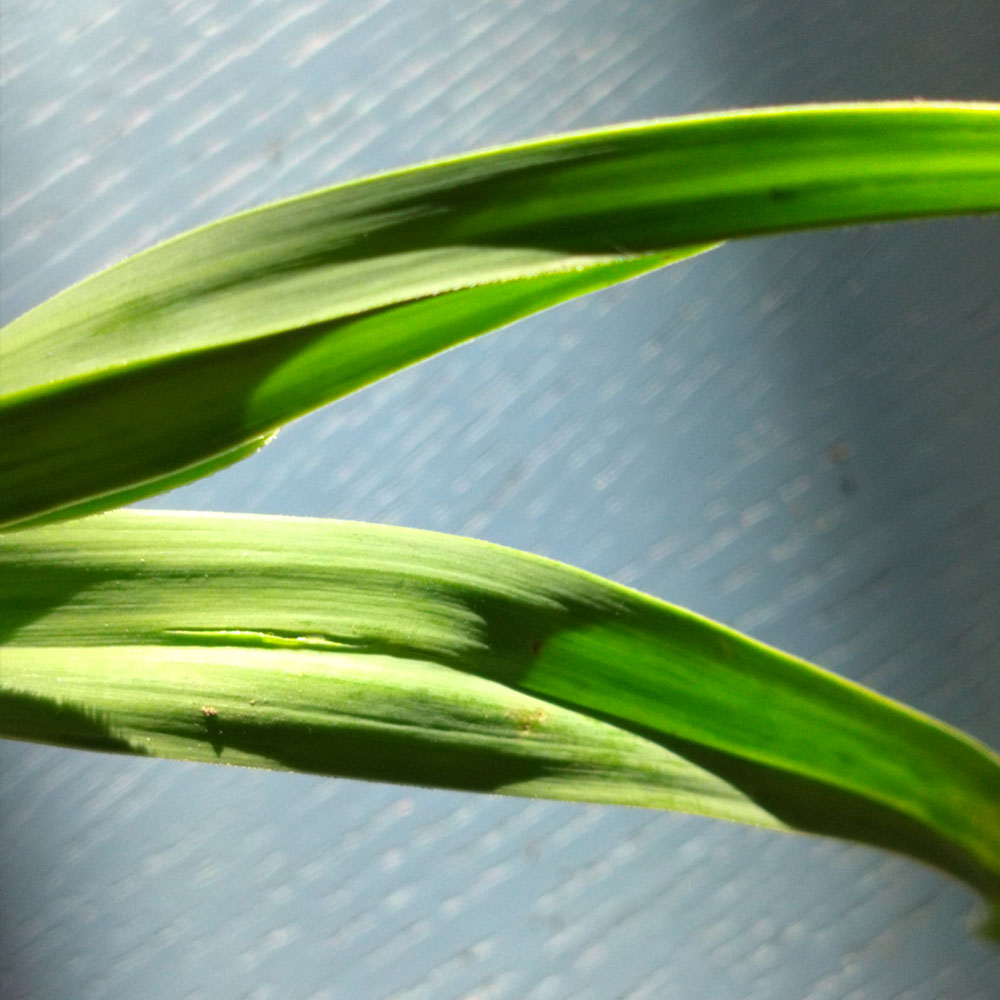


Allium ampeloprasum var. ampeloprasum is a member of the onion family, known for its large bulb that produces a tall, solid, flowering stalk and garlic flavoured leaves.
The bulb produces one tall stalk with many fragrant and edible leaves.
If the plant is left alone, it will spread into a clump with many flowering heads (one stalk and flower from each clove, once the bulb divides).
These are planted in flower gardens as an ornamental garlic as well as a partner plant that discourages pests.
Two birds, one garlic.
The flowers are dense, spherical umbels (these look like floating balls of joy) of small, star-shaped flowers.
The leaves are long, green and strap-like, with a powerful garlic-like aroma.
👨🌾GARDENING TIPS👨🌾: Allium ampeloprasum
-
- Unlike many garlics, elephant garlic does not have to be harvested or divided each year, but can be left in the ground without much risk of rotting.
- Elephant garlic can be planted at two different times of the year: spring and autumn.
- The flavor is milder than garlic and can be eaten raw in salads, roasted, or sautéed.
- If the leaves are dried in the basement for a few months, the moisture content will be reduced and the flavors will be brighter. Dried elephant garlic is particularly tasty with eggs in the morning or on bread in the evening.
- Looks great/ cook with Allium montanum, Thymus longicaulis Odoratus (anything with short roots)
Learn more about gardening with Elephant Garlic:
-
- ENG: Let’s Talk Elephant Garlic!
- ENG: The Garlic Shop ( the specialists of all things garlic)
Tales & Botany: Allium ampeloprasum
Ampeloprasum signifies “vine leek,” hinting at its historical use and association with vineyards in ancient times.
Historically, Allium ampeloprasum was often grown near or among grapevines — possibly to help deter pests with its strong scent… or perhaps as a convenient snack for vineyard workers keeping an eye on the grapes. One could even imagine it serving as a mild botanical deterrent against both insects and sneaky humans with sticky fingers.
Either way, this ancient allium carries with it a charming mix of practicality, folklore, and Mediterranean heritage — a humble plant with a quietly storied past.
Ecology
Allium ampeloprasum is a remarkably adaptable plant, thriving in a wide range of environments from dry Mediterranean hillsides to cultivated garden soils.
It prefers well-drained, moderately fertile soils and full sun, but tolerates partial shade and periods of drought once established.
Its nectar-rich flowers attract a wide variety of pollinators, including bees, hoverflies, and butterflies, making it a valuable plant for supporting local insect populations.
The plant’s natural sulfur compounds, responsible for its characteristic scent, may also help discourage certain pests when grown among more vulnerable crops.
Reproduction
Allium ampeloprasum reproduces sexually through seed production following insect pollination.
In late spring to early summer, the plant sends up tall flowering stems topped with large, spherical umbels of star-shaped, nectar-rich flowers.
These blooms are highly attractive to bees, hoverflies, butterflies, and other pollinating insects, which transfer pollen between flowers as they forage.
Once pollinated, each flower develops into a small capsule containing several black, angular seeds.
When mature, these capsules dry and split open, allowing the seeds to fall to the ground or be dispersed by wind, rain, and passing animals.
Seed-grown plants show natural genetic variation, which can lead to subtle differences in vigor, size, or flowering time — an important factor in the long-term adaptability of the species.
However, seedlings take several years to reach flowering size, making sexual reproduction a slower but ecologically significant process compared to vegetative propagation by bulbs.
In both wild and garden settings, this dual strategy — combining seed production with clonal bulb multiplication — allows Allium ampeloprasum to persist, spread gently, and maintain healthy genetic diversity over time.
Other Names:
Wild leek
Broadleaf wild leek
Poireau perpetuel
Ail faux poireau
Poireau d’été
Poireau du Levant
Ail d’Orient
Origin:
Crimea/North Africa
Discover more from plant d'Avenir
Subscribe to get the latest posts sent to your email.
| Weight | 0,5 kg |
|---|---|
| Planting Season | March to May, September to November |
| Flowering | April, May, June |
| Foliage | Deciduous |
| Exposure | Full Sun |
| Frost Tolerance | -15°C to -20°C |
| Soil | Chalk, Cool, Dry, Well-Draining |
| Size | 0.8m H x 0.4m W |
Reviews
Only logged in customers who have purchased this product may leave a review.
Related Products


Mentha x piperita ‘Chartreuse’
A spicy mint, known for its use in the production of liqueurs and herbal teas.
A spicy mint, known for its use in the production of liqueurs and herbal teas.
4,90 €


Melissa officinalis
A perennial plant in the mint family that is adored by bees, royal families and tea drinkers.
A perennial plant in the mint family that is adored by bees, royal families and tea drinkers.
3,00 €


Satureja montana
A sweet smelling culinary herb from Europe
A sweet smelling culinary herb from Europe
4,90 €


Hellebore argutifolius
Winter flowering perennial with marbled blue-green leaves
Winter flowering perennial with marbled blue-green leaves
4,90 €


Mentha suaveolens ‘Calixte’
A yellow-green dappled variation of the fuzzy mint.
A yellow-green dappled variation of the fuzzy mint.
7,00 €


Helichrysum italicum
An evergrey, fragrant perennial that will bring a distinctly Mediterranean atmosphere.
An evergrey, fragrant perennial that will bring a distinctly Mediterranean atmosphere.
Price range: 4,90 € through 12,00 €


Calendula officinalis
A glorious medicinal and tinctorial herb.
A glorious medicinal and tinctorial herb.
4,90 €


Lavandula angustifolia
A highly aromatic, flowering perennial used for cooking in many cultures
A highly aromatic, flowering perennial used for cooking in many cultures
Price range: 4,90 € through 12,00 €


Solidago ‘Golden Shower’
Beautiful showers of yellow flowers
Beautiful showers of yellow flowers
5,90 €


Achillea ptarmica Boule de Neige
White pompom flowers to attract bees to your garden all summer long.
White pompom flowers to attract bees to your garden all summer long.
Price range: 4,90 € through 8,00 €


Galium odoratum
A fragrant ground cover with a unique shape
A fragrant ground cover with a unique shape
4,90 €


Artemisia alba subsp camphorata
A highly fragrant, grey-green bush.
A highly fragrant, grey-green bush.
4,90 €


Nigella damascena
Delicate blue flowers surrounded by a green mist of lacy feathers for most of the summer.
Delicate blue flowers surrounded by a green mist of lacy feathers for most of the summer.
3,00 €


Glechoma hederacea
A sweet smelling ground cover, producing little blue flowers all summer long.
A sweet smelling ground cover, producing little blue flowers all summer long.
4,00 €


Salvia sclarea – Clary Sage
A fuzzy perennial that is largely grown for its essential oil.
A fuzzy perennial that is largely grown for its essential oil.
4,00 €


Echinacea purpurea
A perennial with purple flowers all summer long
A perennial with purple flowers all summer long
4,90 €


Mentha x gracilis ‘Variegata’
A striking mint with striped and flecked golden-yellow leaves that are gingery-minty.
A striking mint with striped and flecked golden-yellow leaves that are gingery-minty.
4,90 €


Nepeta x faassenii
Catnip is known for its grey-green, aromatic foliage and masses of lavender blue flowers.
Catnip is known for its grey-green, aromatic foliage and masses of lavender blue flowers.
4,90 €
recent view product


Euonymus fortunei ‘Emerald Gaiety’
Bush with round green leaves with bright white margins
Bush with round green leaves with bright white margins
Price range: 4,90 € through 12,00 €
Nigella damascena
Delicate blue flowers surrounded by a green mist of lacy feathers for most of the summer.
Delicate blue flowers surrounded by a green mist of lacy feathers for most of the summer.
3,00 €


Billbergia nutans
A bromeliad featuring a three colored, striped flower
A bromeliad featuring a three colored, striped flower
7,00 €

x Senecurio kleiniiformis
A gorgeous succulent with blue antlers
A gorgeous succulent with blue antlers
7,90 €

Symphyotrichum ericoides f. prostratum ‘Snow Flurry’
Large airy ground cover of brilliant white flowers.
Large airy ground cover of brilliant white flowers.
4,90 €
There are no reviews yet.