
No products in the cart.

Bring the magic of the season indoors with our Collection de Plantes pour Noel / Christmas Plant Collection—a thoughtfully curated selection of festive greenery designed to fill any space with warmth, color, and holiday charm.
From aromatic evergreens that evoke the cozy scent of winter (and bring a little extra to a dish or cocktail) to plants that flower in the darkest months to reliable families that will support you through the winter, each plant delivers a touch of natural elegance perfect for gifting or decorating.
Whether you’re creating a winter wonderland at home or surprising someone special, this collection offers a way to celebrate the holidays with intention, bringing more life.
Collection de Plantes pour Noel / Christmas Plant Collection
Christmas Rose / Rose de Noel
Hellebore argutifolius


The Christmas rose is not really a rose at all – it’s part of the buttercup family – but it takes the name because it resembles a wild rose – and it flowers around Christmas!
A gorgeously subtle bloom, its delicate freckled petals look wonderful as part as a bouquet or dotted around a homemade wreath.
Another flower with a long history, according to the Royal Horticultural Society it took the name ‘Christmas’ because of a its mythic origin story – it was said to have sprouted from the tears of a young girl, weeping that she had no gift to gift the baby Jesus in Bethlehem.
Despite its gentle appearance the Christmas rose is poisonous and was used in antiquity to help people vomit. So please don’t eat all the flowers!
These plants are a common choice for winter container gardens, but there are some varieties that can also be grown indoors.
Rosemary / Romarin


It’s not just for stuffing that turkey, rosemary is a Swiss army knife of a plant – great for all sorts of things!
Infusions, syrups, cocktails, eggs, fish, meat, vegetables… you name it really.
Feature cuttings of the plant in your homemade wreath so guests get a waft of the beautiful smelling herb as they come through the door.
The sprigs are also aesthetically beautiful – adding them to a cheese board or as a detail on a purée creates a sense of wonderfulness that just feels like home.
Ivy / Lierre


This hardy ivy plant is an easy winter favourite – evergreen, structured, aesthetically interesting and even capable of holding quite a few decorations!
This form of ivy is tidy – growing vertically rather than releasing tendrils for kilometres on end into the wilderness. Pruning it back will allow you to control the shape of the overall plant if you’re into that sort of thing! Otherwise, it will grow to form a kind of Twin Towers situation.
Historically, ivy and holly have always been around in some form or another for the festiva season in the Western world . Farmers were once said to feed a sprig of ivy to their cows before midnight on Christmas Day, believing that this would protect them from the devil. Don’t do that though – ivy is poisonous when ingested in large quantities – both to humans and to all animals.
Queen’s Tears / Les Larmes de la Reine


Billbergia belongs to the Bromeliad family – and the Bromeliads are one of the best indoor plants to add color, making them a welcome choice for your festive indoor garden. The pink/yellow/blue flowers, coupled with bright green leafage, will keep you mesmerized for quick a few days I promise.
The roots of bromeliads act more as anchors than feeders – since the plant is epiphytic, it is capable of absorbing nutrients and moisture through their leaves.
These striking houseplants take anywhere from two to three years to bloom from seed. However, once they do, it’s a rewarding sight to take in since these indoor plants flower in the darkest months of winter – anywhere starting from the month of February (depending on their care).
Chinese Money Plant / Plante à Monnaie Chinoise


Native to the Yunnan and Sichuan provinces of southern China, the Chinese Money plant was first brought to the UK in 1906 by Scottish botanist George Forrest. It became a popular houseplant later in the 20th century because it is simple to grow and really easy to propagate, meaning friends could pass cuttings around amongst themselves. That earned it the nickname ‘Pass it on plant’.
Those round, flat leaves, which can grow as big as 15cm across, have earned it other nicknames, from UFO plant to Pancake plant. Whatever you choose to call it, it’s an excellent house guest. A bright place to live and water when it’s dry are all it asks (by the way, don’t worry when it loses its lower leaves as it grows – it’s totally normal).
Although it’s now very common as a houseplant, Chinese Money plants have almost completely disappeared from their natural habitat. 🙁
Bulbine frutescens ‘Hallmark’


Bulbine (pronounced bul-BINE-ee) is a plant of many virtues.
The matte green leaves are linear and fleshy, like chives. A fast grower that reaches a height and spread of one to two feet, bulbine has an upright, clumping habit and spreads by underground stems or rhizomes. Reed-thin, leafless stalks rise above the foliage and culminate in spikes of star-shaped, lemon-yellow flowers with fuzzy stamens—that’s for the straight species.
The cultivar ‘Hallmark’, however, is more compact and boasts orange buds and flowers that open to reveal bright yellow, fuzzy stamens. Their flowers, which bloom from spring through fall, also attract butterflies.
In my home they are currently all in bloom (December 3rd)
Jade plant / Arbre de Jade
Crassula ovata (multicava/ Variegata / Hobbit)


Their scientific name is Crassula ovata. They will eventually grow quite large if you let them, but you can cut their stems back to keep them small. Try popping the stem cuttings into soil – you should see the roots begin to develop after about 1-2 weeks!
They may grow pink flowers in spring and shift to red/yellow colors in the summer when the sun begins to glare.
The variations include :
- Variegata – striped white/green foliage
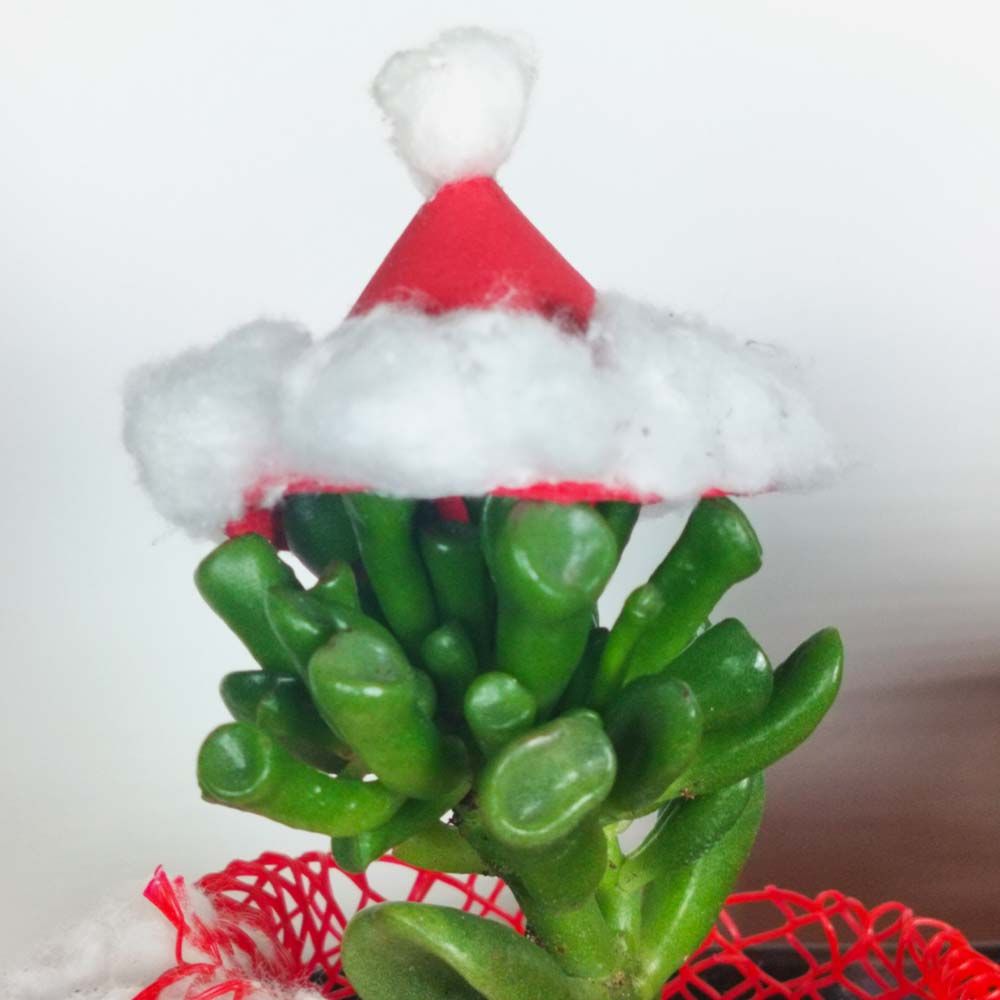
- Hobbit – tubular leaves, forming a somewhat funny looking Jade Tree
- multicava – smalled leaves and very vigorous development
Pépinière responsable à Lhoumois : Techniques et bonnes pratiques
Discover more from plant d'Avenir
Subscribe to get the latest posts sent to your email.